What to Expect
Alissa Mayer BSc(Equine) C-EHSE
Director of Equine Hanna Somatics® Education
PRIVATE SESSIONS - Remote & In-Person
Hanna Somatic Education® is the neuroscience-based future of 'bodywork' - a safe, gentle & profoundly effective hands-on approach to performance enhancement, pain-relief and rapid posture improvement without stretching, strengthening or manual therapy.
Equine (EHS) or Canine (CHS) sessions typically take 1-1.5 hours, and include:
• Pre-Assessment: Habitual posture, movement and muscle tone assessments via observation and palpation
• Guided Somatic Movement: A customized full-body protocol of gentle Hanna Somatic Exercises, done mostly at the halt (horses standing up, dogs like to lay down).
• Post-Assessment: Posture, movement & muscle tone assessents (again), integration movements
• Homework: Learn a series of 3 curated somatic exercises to do daily with your animal, plus recommendations for follow-up & frequency
- In-person, I'll work hands-on with your horse/dog while you (or your authorized agent) hold/handle them and participate in the session.
- In remote sessions, YOU'll work hands-on with your animal, with my coaching and guidance. PLEASE NOTE: to get the most out of your remote session, I recommend you start with our introductory course(s) for working somatically with horses or dogs, and watch it at least once before our scheduled session.
The animals actively participate in each session, and will communicate when they have had enough, feel overwhelmed, need time to process or walk to integrate, and when they are ready for more! Consent and receptivity to the work are non-negotiable.
When will you see results?
Most animals become deeply relaxed and are immediately more comfortable and present in their bodies fairly quickly after beginning these sessions. Dramatic improvements are often observed during and after the very first session, while some animals may need more time to integrate their changing range-of-motion and new tension levels before showing you obvious changes in posture, performance or behavior.
- We'll need shade and good footing (no grass) to work - this can be a large stall or wash-rack, quiet barn aisle, or covered arena.
- You (or your authorized representative) must be present to hold and handle your own horse.
- $350/Session, available remotely via Zoom or in-person at your facility. Book your remote session HERE.
- Inquire about sliding scale or group pricing and in-person availability.
CLINICS - The Neurophysiology of Posture
At these clinics, we'll dive into science-based posture analysis - not judgement or correction, not guesswork, but learning to recognize the characteristic postural patterns that emerge across species in response to stress. These patterns become the habits that are widely misunderstood as poor conformation, weakness or the widespread belief that stiffness, degeneration and pain are a normal part of the 'aging' process.
Through fascinating classroom presentations with slides, live horse demonstrations, experiential anatomy and an embodied practice of Hanna Somatic Exercises - you'll see how a horse's brain (and your own) learns to shape posture and limit range-of-motion as an adaptive response to stress. The resulting compensatory muscle tone (aka chronic tension) frequently presents exactly like some of the most common soundness, training and behavioral issues facing horses today.
Learn to recognize HABITUAL myofascial tension, understand the difference between muscle tone and muscle development, and to identify the most common postural patterns across disciplines.
Gain insights to improve the accuracy of your empathy, differentiate between voluntary and involuntary movement and behaviors, and help your horse feel and function better!
These clinics are designed to expand your knowledge, challenge industry assumptions, and offer a practical way to use neuroscience as a guide for ethical horsemanship and more effective interventions.
Clinic Levels
Neurophysiology of Posture - Level 1
Led by Alissa Mayer, this clinic provides a foundational understanding of posture as a process (vs. a pattern), and how useful compensations can become maladaptive.
The emphasis is on neurophysiology and differentiating asymmetry, muscle tone, and involuntary reflexes from proprioception, postural control, voluntary movement or learned habits — how stress responses, adaptive posture, memory, motor output and performance are governed by the central nervous system and Motor Sensory Amnesia (MSA), and how MSA presents in recognizable patterns across animal species.
Morning sessions consist of clear, structured classroom presentations and embodied somatic exercises, covering core neuromuscular, motor-control and foundational learning processes for both horses and humans.
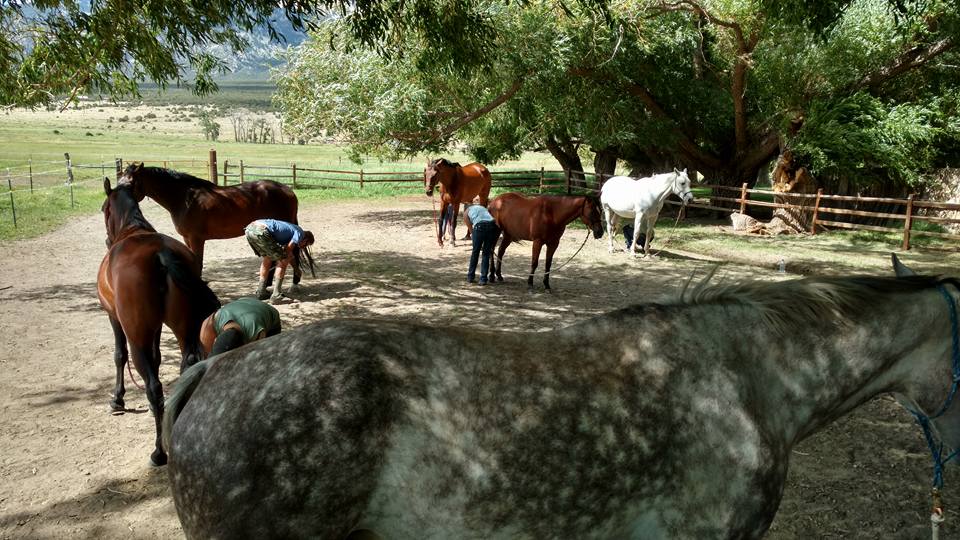
Afternoons offer practical demonstrations with live horses applying concepts covered earlier in the day to assess static and dynamic posture, movement and muscle tone, and begin guiding the horses through a short series of somatic exercises, supported by EHS Educators and/or EHS practitioners-in-training.
Participants will leave with an evidence-based and embodied framework for assessing equine posture, identifying compensations and recognizing the three most common presentations of habitual posture - shining a light on many assumptions that prevent us from assessing equine posture, movement and behavior as accurately as possible.
No prerequisite - registration is open and appropriate for horse owners, riders and equine professionals.
Attend & participate with or without a horse!
2 days / 6-8 horses* / up to 40 participants
*Participants who bring a horse are invited to attend a private 3rd clinic-day of hands-on Equine Hanna Somatics® with Alissa and students/graduates of the EHS Practitioner Certification Program.
Neurophysiology of Posture - Level 2
Advanced Study in Horse/Rider Postural Assessment and Applications in a Somatic Approach to Horsemanship, Riding, Training and Rehabilitation.
This clinic is intended for participants who have completed Level I (or have a strong foundation in Equine Hanna Somatics).
The content builds on core principles from Level I to explore equine postural presentations, capacity for self-organization and somatic issues in greater depth.
Morning sessions focus on advanced topics, including cortical and subcortical processing, acquired vs. natural asymmetry, self-regulation, the motor-sensory system, and the bridge between proprioception and learning, PLUS an embodied somatic movement class.
Afternoon sessions include three individual one-hour horse sessions each day, where first we’ll assess the horses as a group, then both Alissa and the guardians/riders work with the horses.
This clinic is structured for those seeking a deeper, science-based understanding of equine brain-body function, horse-first training, habitual posture, intrinsic movement and self-organization and its relevance to real-world applications for riders, trainers, vets, osteopaths, bodyworkers and other equine professionals.
Prerequisites: (attendance at one or both of the following)
Neuro of Posture - Level 1 Clinic
-OR-
Equine Hanna Somatics® Professional Training - Module 1
Meet your guide: Alissa Mayer BSc(Equine) C-EHSE
Who is Alissa, and why should I trust her to help me on my horsemanship journey?
(great question, I'm so glad you asked!)
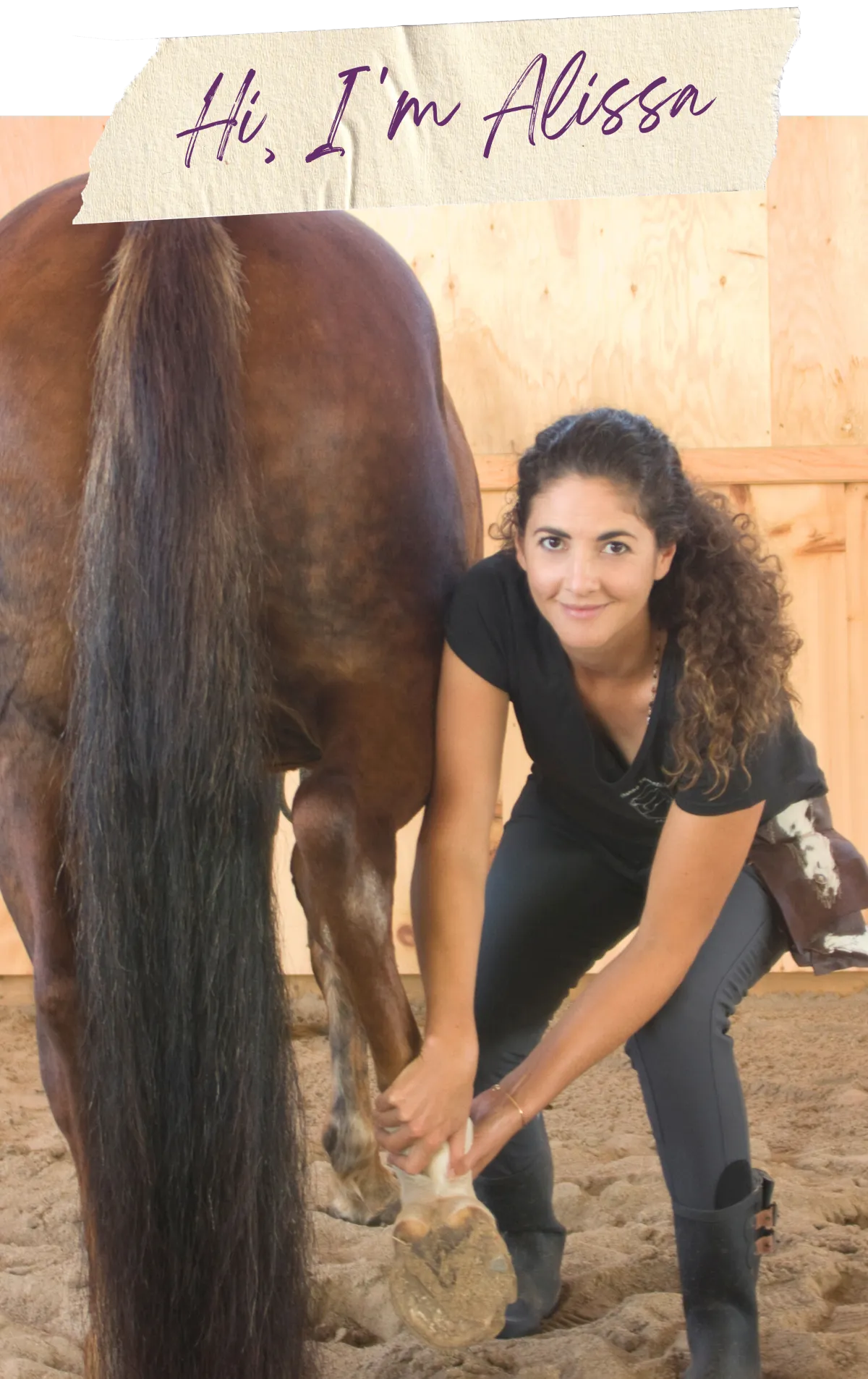
Alissa Mayer BSc(Equine) C-EHSE is the captivating director of Equine Hanna Somatics® Education, author and international clinician, celebrated for her groundbreaking work in horse-first training and Hanna Somatic Education for animals. Thousands worldwide turn to her neuroscience-backed methods for helping horses and riders excel in sport and live their dreams. Her courses have reached horse-lovers in over 27 countries, and her work has been translated into 4+ languages so far...
She is a writer, mother, posture specialist, science-nerd, serial horse rescuer and educator with a passion for using neurophysiology to help horses (and the people who love them) live their best lives.
Alissa's expertise is highly sought-after by elite athletes, equine professionals, veterinarians and owners, she has been featured in a number of equestrian publications and podcasts, and has taught clinics and classes in-person all around the US, Canada and in western Europe.
Interviews and PODCASTS Alissa's been FEATURED ON

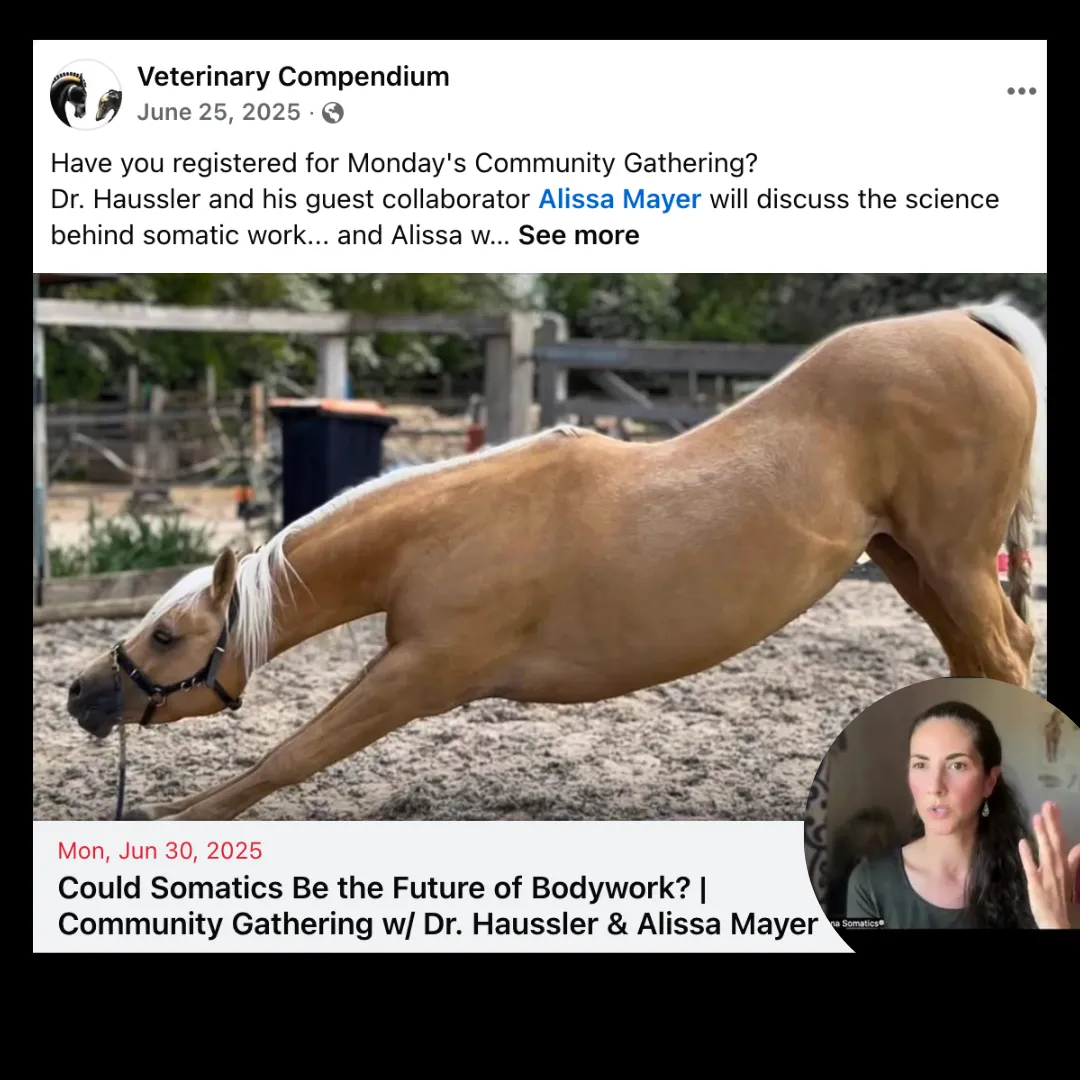
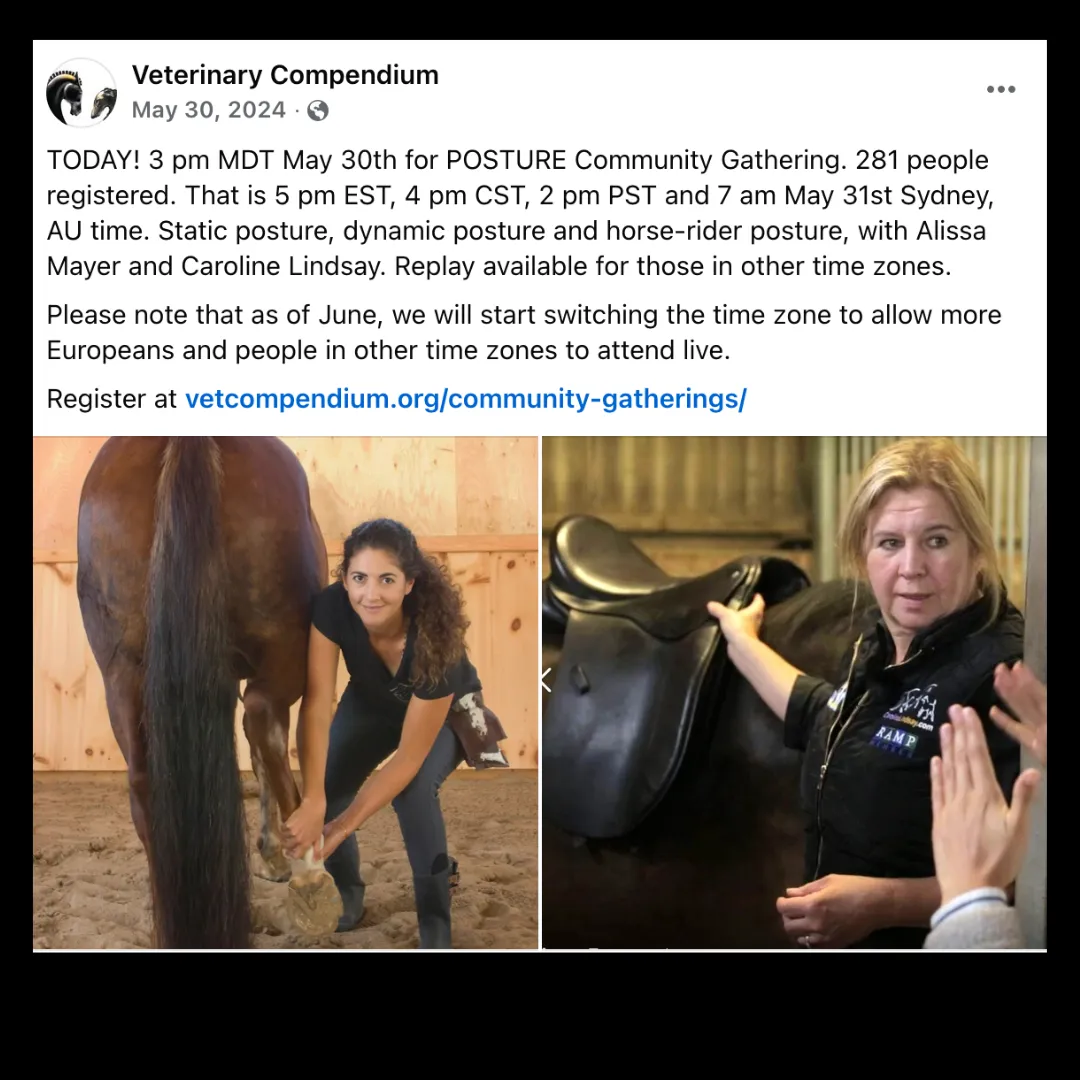
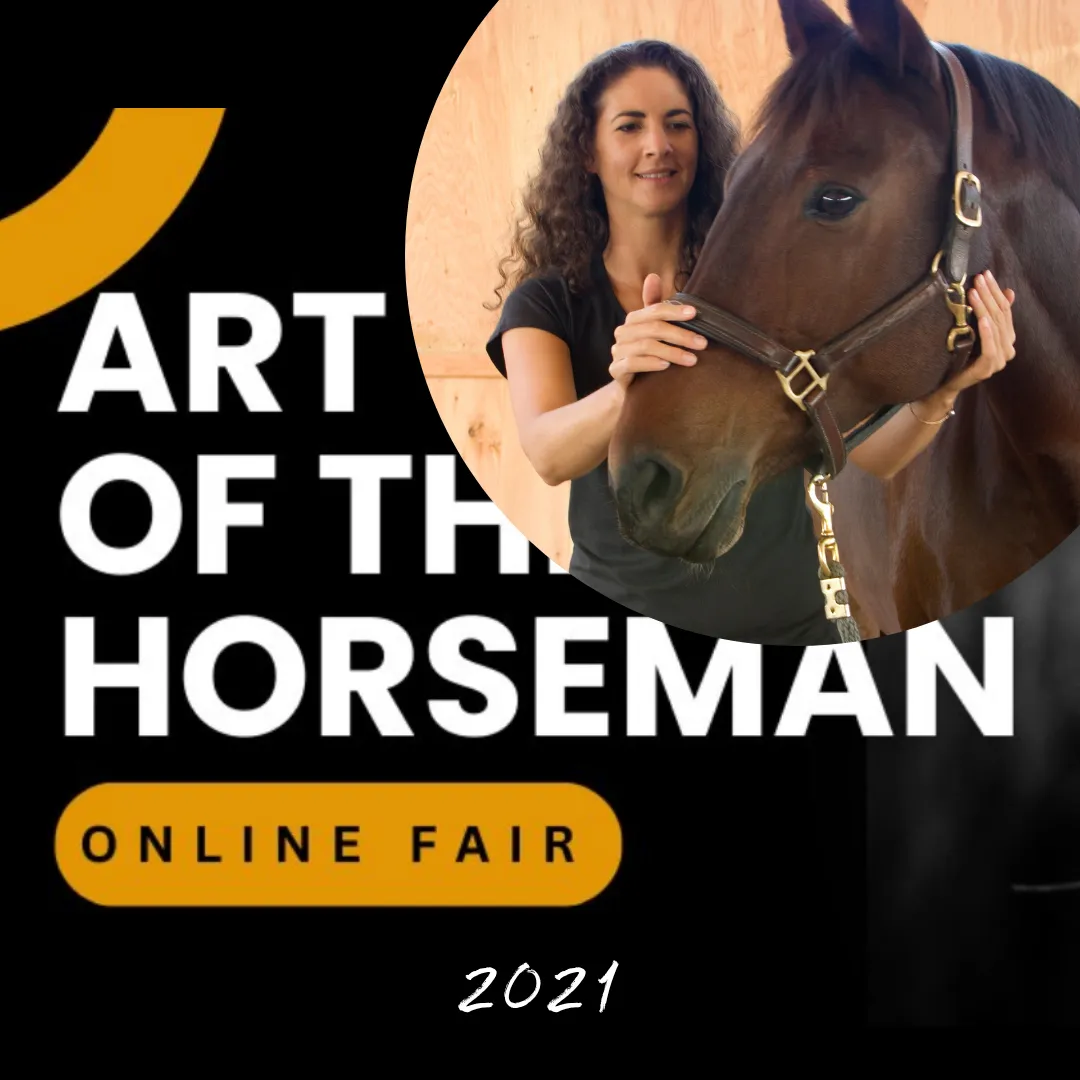
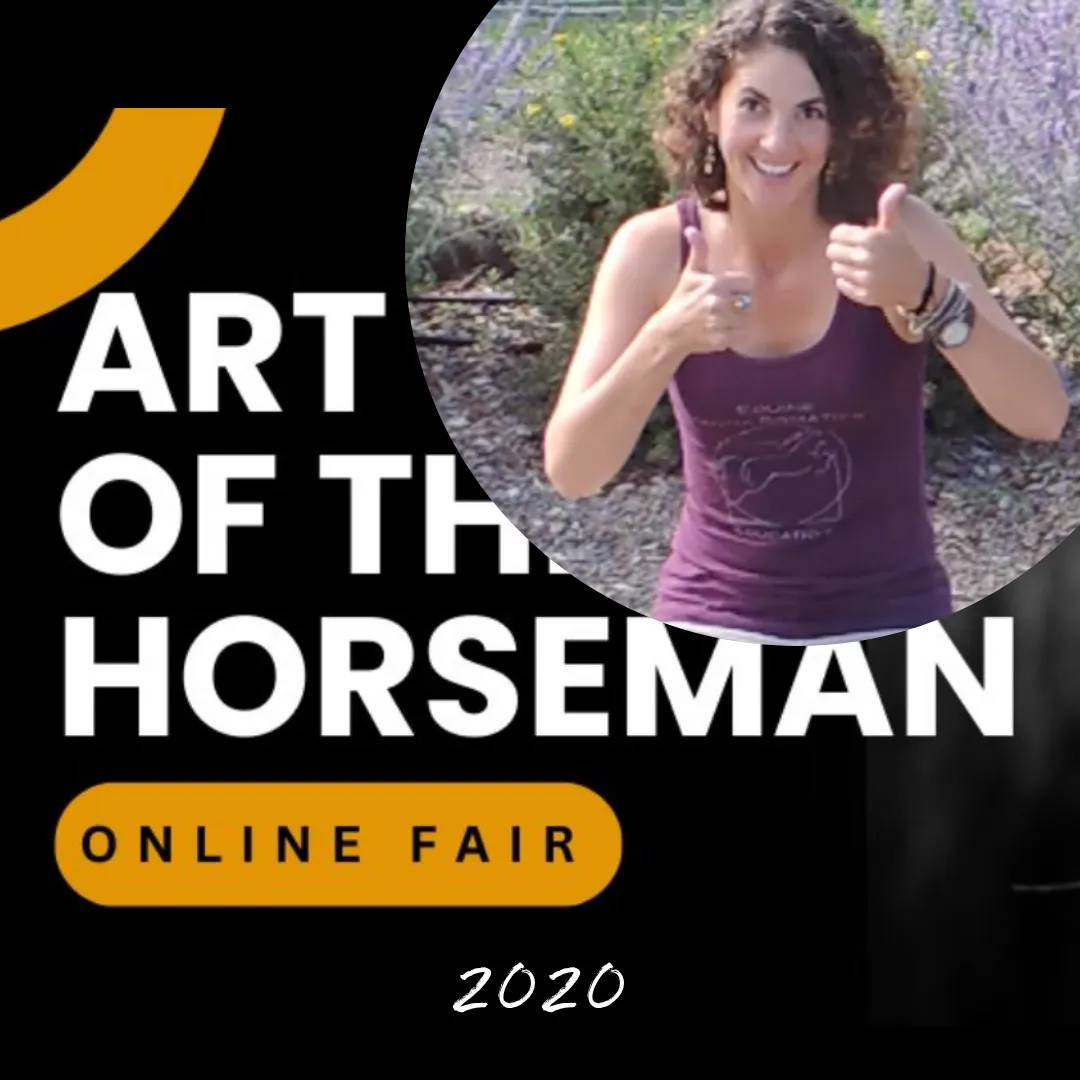
Talks/Summit PRESENTATIONS
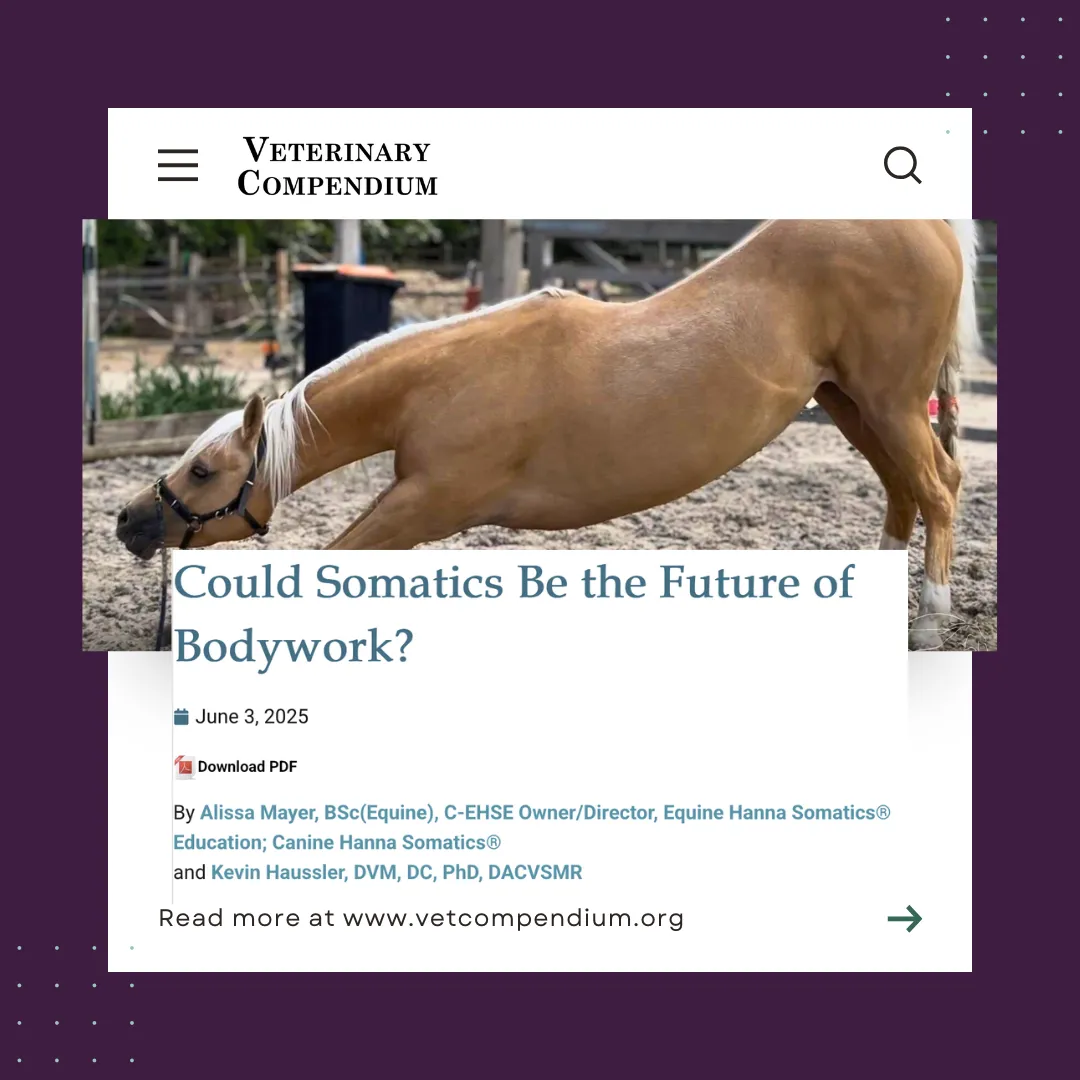
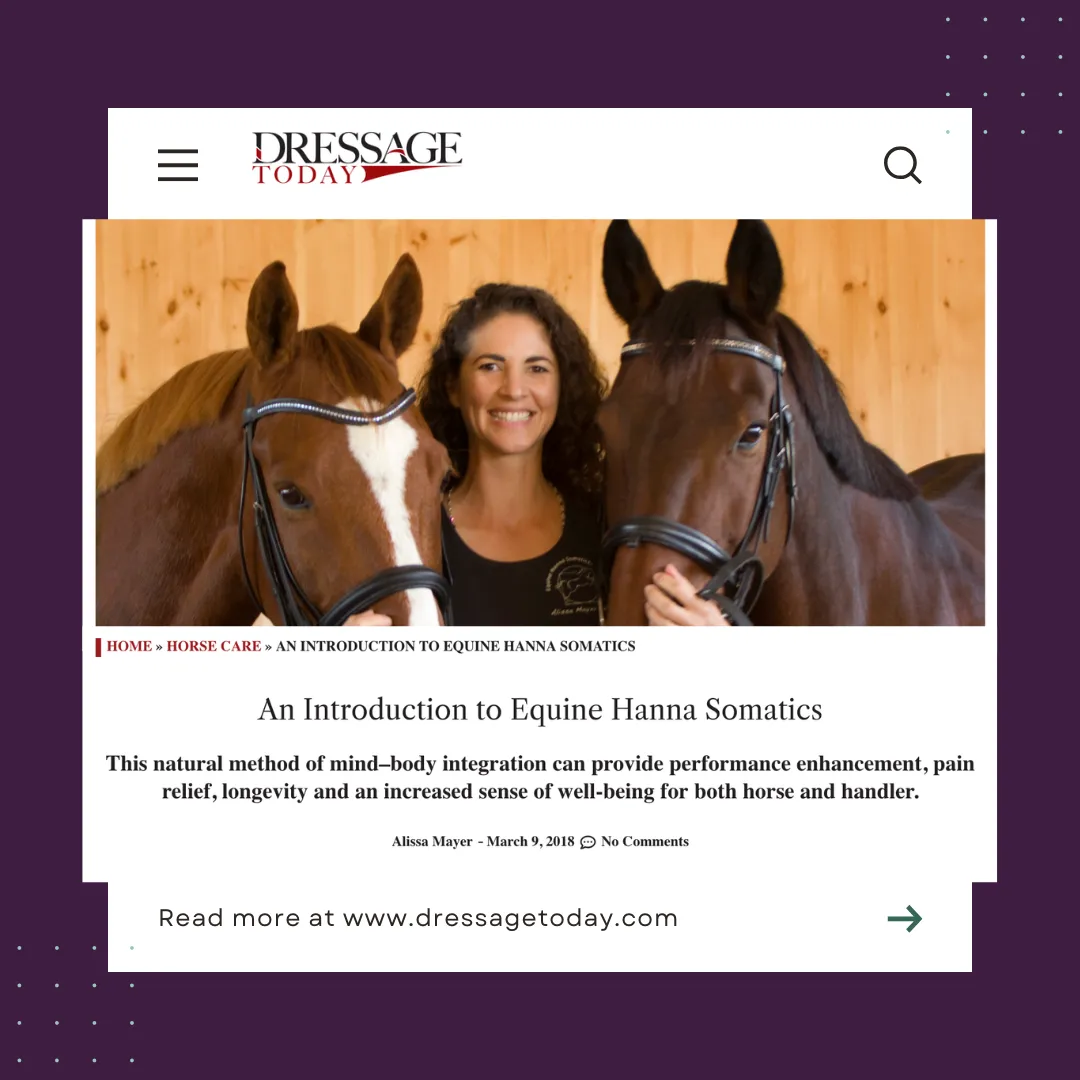
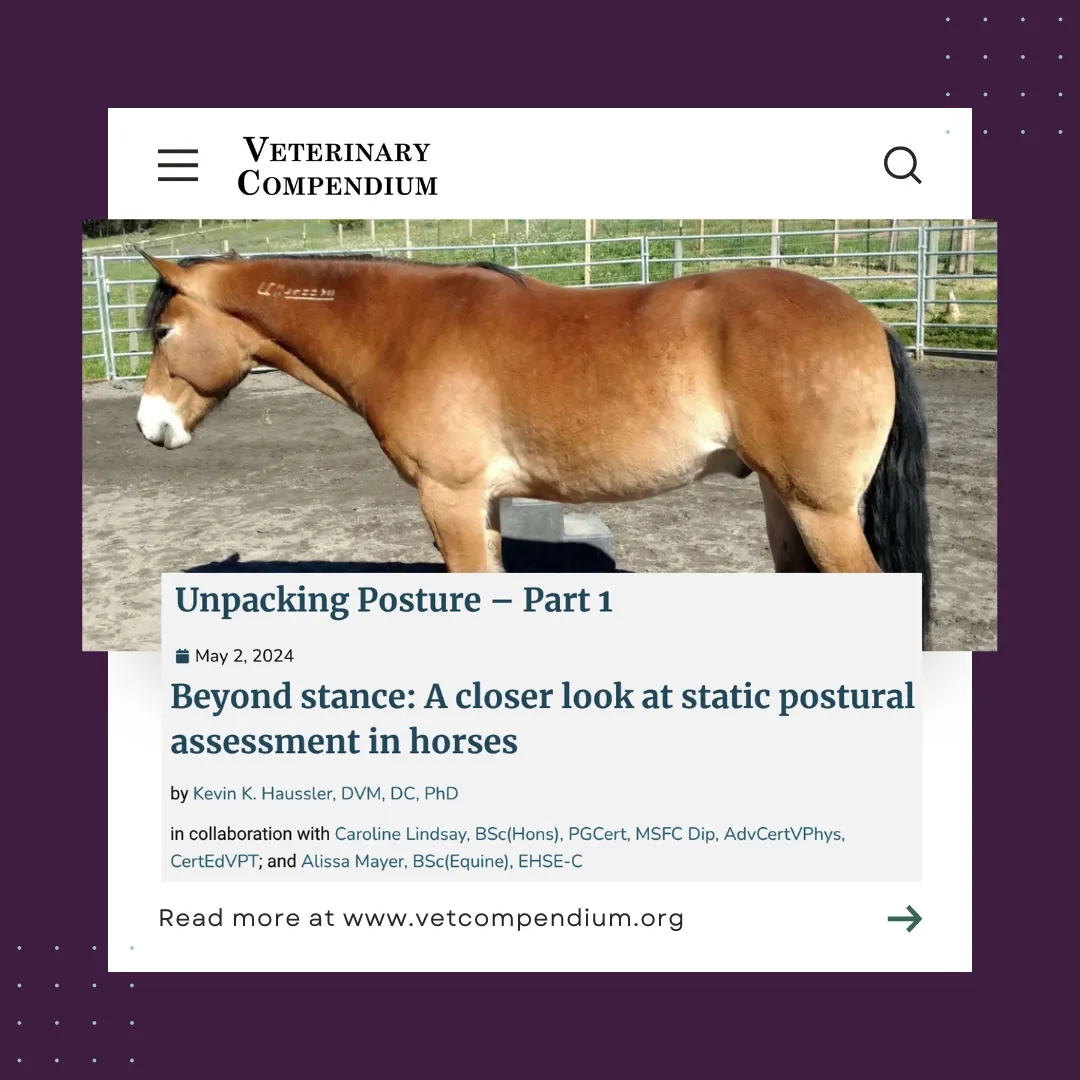
ARTICLES
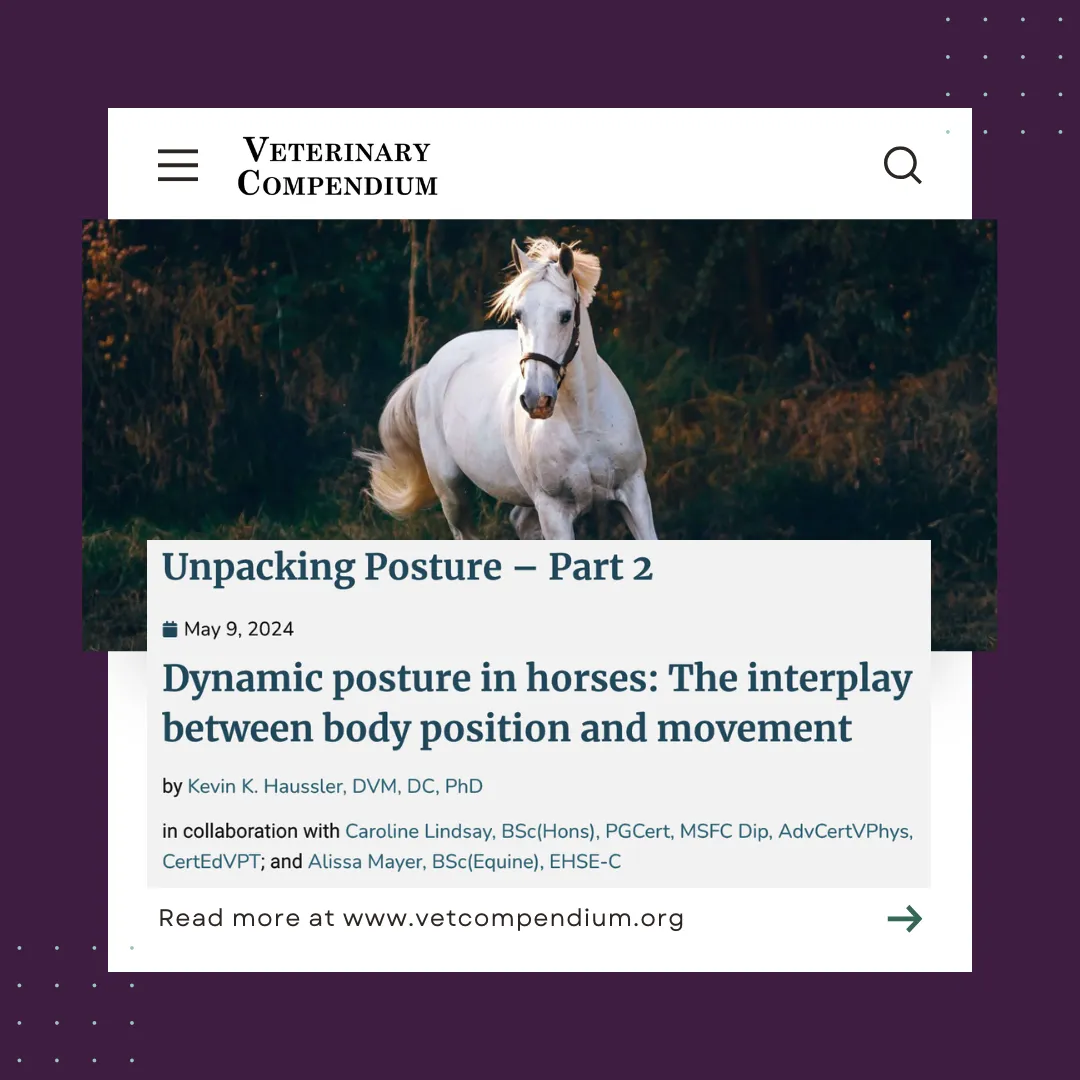
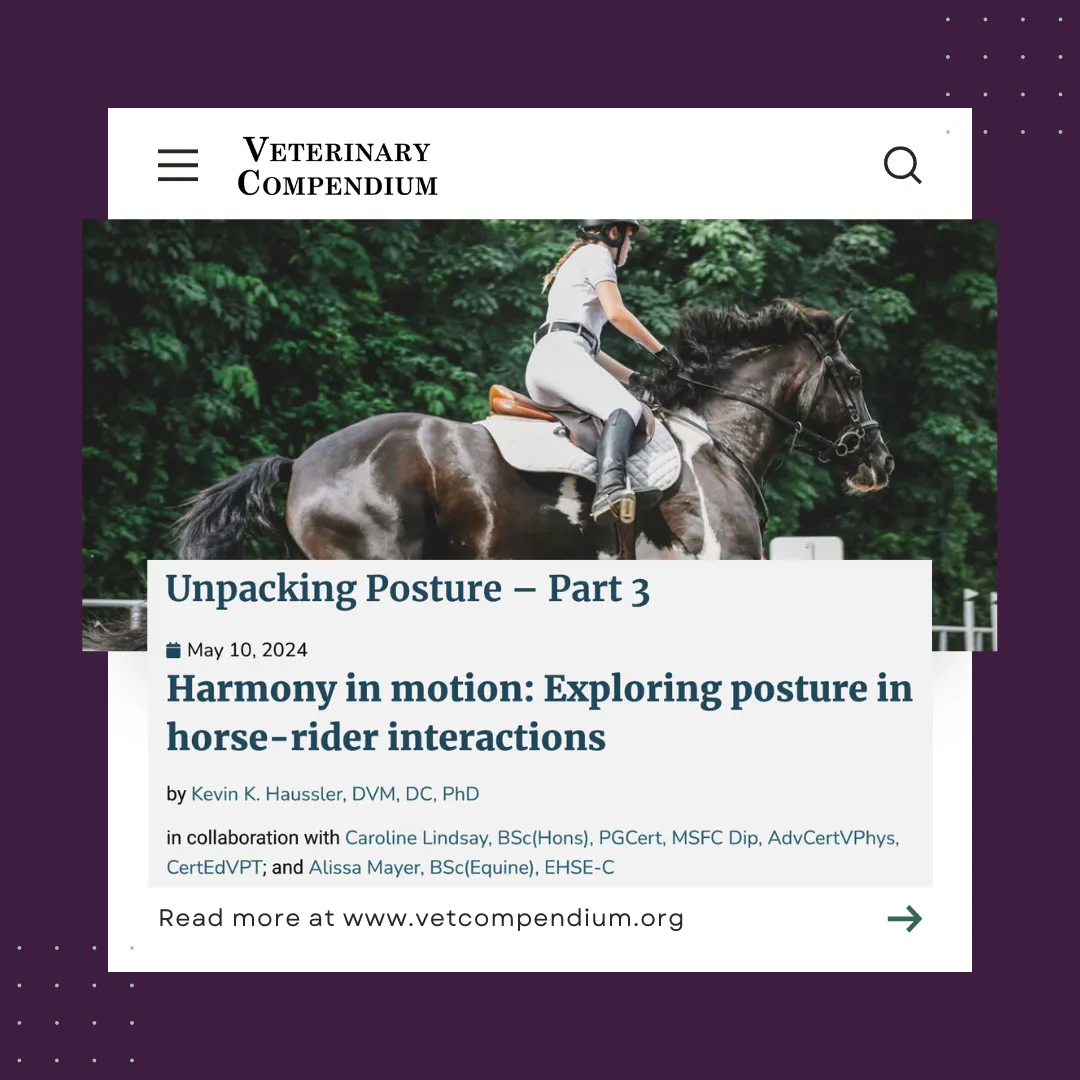
Alissa has written or co-AUTHORED


©2026 Alissa Mayer and Feel, Embodied LLC. All Rights Reserved. This website contains affiliate links. ;) Terms | Privacy | Trademarks & Copyrights